⚖️ Appeals Court Revives Media Fight Over Tennessee Buffer Law #Tennessee #FirstAmendment #SixthCircuit
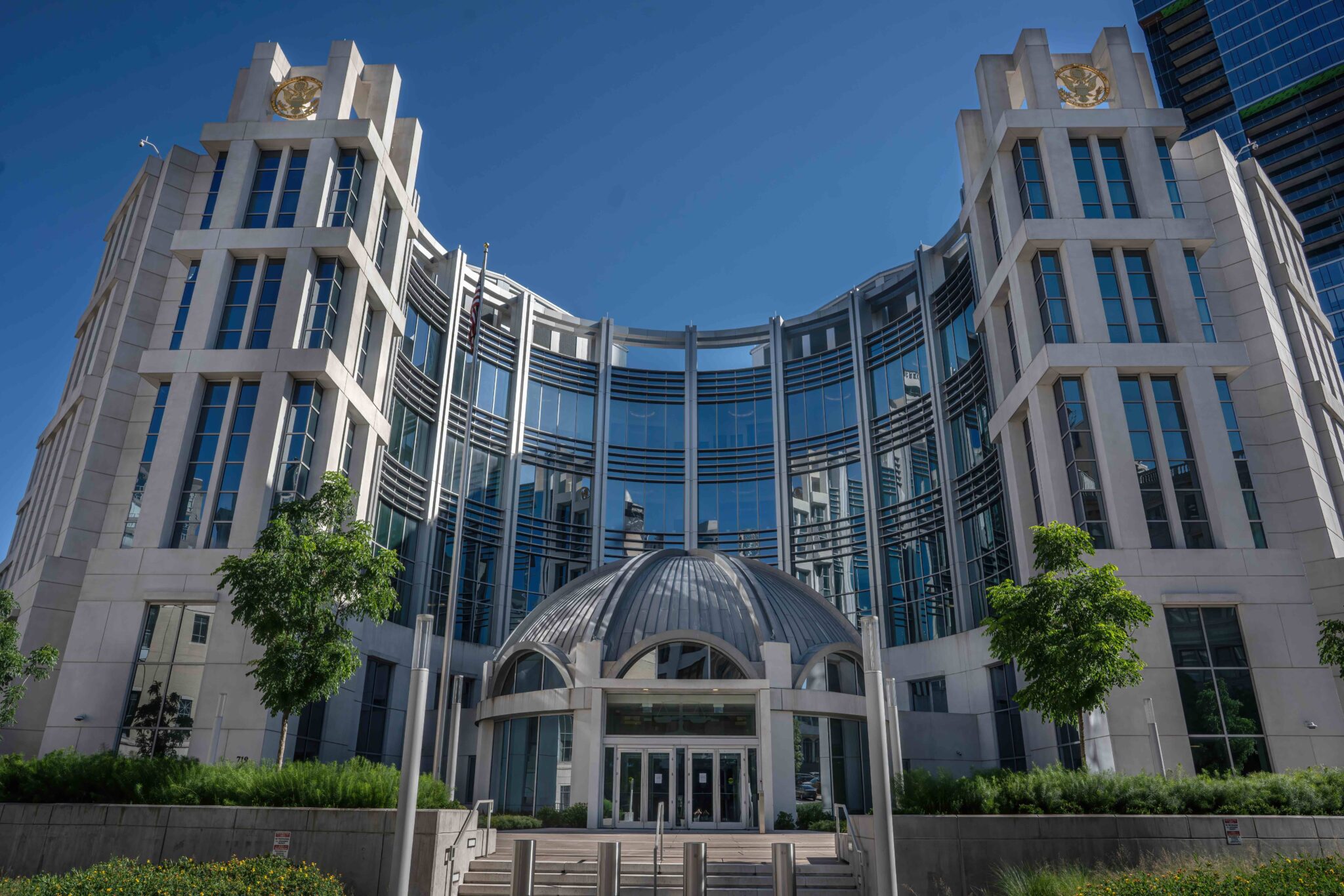
The U.S. Federal Courthouse in Nashville, Tennessee.
A federal appeals court has given news outlets a second shot at blocking Tennessee's police "buffer zone" law, sending the case back to the Nashville judge who refused to stop the law while the lawsuit moves forward.
The U.S. Court of Appeals for the Sixth Circuit ruled Tuesday, 10 November 2026, that U.S. District Judge William Campbell Jr. must reconsider whether Tennessee's 25-foot buffer law can stay in effect while media groups challenge it.
The problem, the three-judge panel said, was what the district court skipped. When Campbell denied the preliminary injunction in February 2026, he reasoned that the news organizations had not shown irreparable harm. But he never addressed whether they were likely to win on the merits — "the most important [factor] in First Amendment cases," the panel wrote.
The panel — Chief Judge Raymond M. Kethledge, Senior Judge R. Guy Cole Jr. and Judge Andre B. Mathis — vacated the February order and sent the case back to Campbell's court to develop at least a preliminary factual record on the outlets' likelihood of success and the other factors for injunctive relief.
Tennessee enacted the law in May 2025. It makes it a misdemeanor to approach within 25 feet of a law enforcement officer who is lawfully engaged in a traffic stop, an active investigation of a crime scene, or a response to an ongoing threat. Violations carry up to six months in prison and a $500 fine. The law took effect on 1 July 2025.
A coalition of media organizations — including Gannett, the Tennessee Lookout, the Nashville Banner, Scripps Media and TEGNA — sued that same month, arguing the law is vague and stops reporters from gathering news, in violation of the First Amendment. The Reporters Committee for Freedom of the Press represents them.
The appeals court also found the outlets have standing to sue at this stage, because their reporters "routinely face a choice between defying a direct order of a police officer — with an attendant threat of criminal punishment for the reporters and their employers alike — or ceasing activity protected by the First Amendment."
Important context: the court did NOT strike down the law. It only ruled that the first judge's reasoning was incomplete. The injunction request now returns to Judge Campbell's court, and the buffer law remains in effect while the case continues. The law has been invoked on multiple occasions by the Memphis Safe Task Force, a group of federal and state agencies formed by President Trump.
WHAT YOU WILL DISCOVER
- Why the Sixth Circuit said the Nashville judge skipped the most important question
- What Tennessee's 25-foot buffer law actually makes a crime — and its penalties
- What happens next now that the case goes back to the district court
THE BIG QUESTION
Should police be able to order reporters 25 feet back from a scene — or does that block the public's right to see what officers do? Tell us in the comments.
Sources
- Sixth Circuit opinion, No. 26-5182, Gannett Co., Inc. v. Long, filed 10 Nov 2026 (govinfo.gov, primary source): https://www.govinfo.gov/content/pkg/USCOURTS-ca6-26-05182/pdf/USCOURTS-ca6-26-05182-0.pdf
- Bloomberg Law, 10 Nov 2026: https://news.bloomberglaw.com/litigation/news-outlets-get-second-shot-to-block-tennessee-buffer-zone-law
- Reporters Committee for Freedom of the Press (case page): https://www.rcfp.org/litigation/gannett-v-long/
Disclaimer
This article reports on public records and news reports for information purposes only. It is not legal advice. The Sixth Circuit vacated a preliminary-injunction denial and remanded the case; it did not strike down Tennessee's buffer-zone law, which remains in effect while the case continues. All persons are presumed innocent unless proven otherwise in a court of law. Sources are linked above.


Comments
Post a Comment